








Customer service from Portugal
Portugal.European languages.
Native speakers of the main European languages, and native or strong English, inside the EU.
Why Portugal
Lisbon and Porto have become two of Europe's busiest hubs for multilingual service. International companies run their European support from here, in many languages at once.
Languages from across Europe
People from all over Europe have made Portugal home, alongside a well-educated Portuguese workforce, so many languages can be found in one place.
Strong English
Portugal ranks among the best in the world for English as a second language, sixth in the 2025 EF English Proficiency Index.
At a glance
Portugal, in brief.
- Capital
- Lisbon
- Porto and Braga are the other main hubs
- Population
- About 10.3 million
- 2021 census
- Language
- Portuguese
- English widely spoken, especially by younger people
- English
- 6th in the world
- Among countries where it is not a first language (EF index, 2025)
- Currency
- Euro
- In the EU
- Since 1986
- And in the euro and Schengen
What we use Portugal for.
European languages
Native speakers for your customers in Germany, the Netherlands, the Nordics, Spain, Portugal and beyond.
Native or strong English
Native speakers, or Europeans whose English is every bit as good.
A multilingual industry
Portugal's customer service centres work in seven languages on average, so the experience is already there.
Inside the EU
Work done here raises no international transfer question for European customers' data.
Languages, done properly.
Speaking a language and handling a written complaint in it are different things. So we test for both.
Tested by level and by channel
Someone can be strong on chat and weaker on a call, so each person is tested for the channels they will work on.
Native speakers
- ENEnglish
- DEGerman
- NLDutch
- NORDNordic languages
- ESSpanish
- PTPortuguese
Trained for each market
What a German customer expects is not what a Dutch or Swedish one does. The team is trained for the market as well as the language.
German language check
- Live chatApproved
- Written complaintsApproved
- PhoneApproved
- Market and cultureTrained
Not enough German to fill a person?
Most providers would say no. We have a few ways to make it work.
- Languages as a skill, not a headPeople who work in more than one language, hired for it deliberately, so their quiet time in one language is filled with other work.
- Shared native speakersA native speaker's time shared across clients who each need part of one, with the sharing explained, not hidden.
- Email and chat firstWhere a response window works well, so the work can be planned into the day.
One person's week
- German emailYour customers
- Dutch chatAnother client
- German emailYour customers
- English chatAnother client

The team
Hired and run by us.
Our own employees, already living in Portugal, working from home on managed company equipment, run on the same standard as every team we have.
- Hired for your account, the language and the channel
- Trained on your products, processes and tone of voice
- Team leads who coach, and reviews of real work that feed the coaching
- Home working, as is normal there, with a tested connection
Good to know.
The practical things worth planning for.
- Home working is normalAlmost every business service centre in Portugal offers remote or hybrid work, so experienced people are used to it.
- Public holidaysNational and local holidays differ from the UK and Ireland, and are planned into the rota well ahead.
- Power and connectionReliable on the whole, and laptops run on battery, so a short cut doesn’t stop the work.
How it grew
From an old alliance to a modern hub.
- 1386The oldest allianceThe Treaty of Windsor with England, the oldest alliance in the world still in force.
- 1986Joining EuropePortugal joined what is now the European Union, and later the euro and Schengen.
- 2000sInternational centresLarge providers and international companies opened multilingual centres in Lisbon, Porto and Braga.
- 2016Web Summit arrivesOne of the world’s biggest technology conferences moved to Lisbon, putting the city on the tech map.
- TodayMultilingual by defaultBusiness service centres here work in several languages at once, mostly with remote or hybrid teams.
Did you know?
The country, and its people.
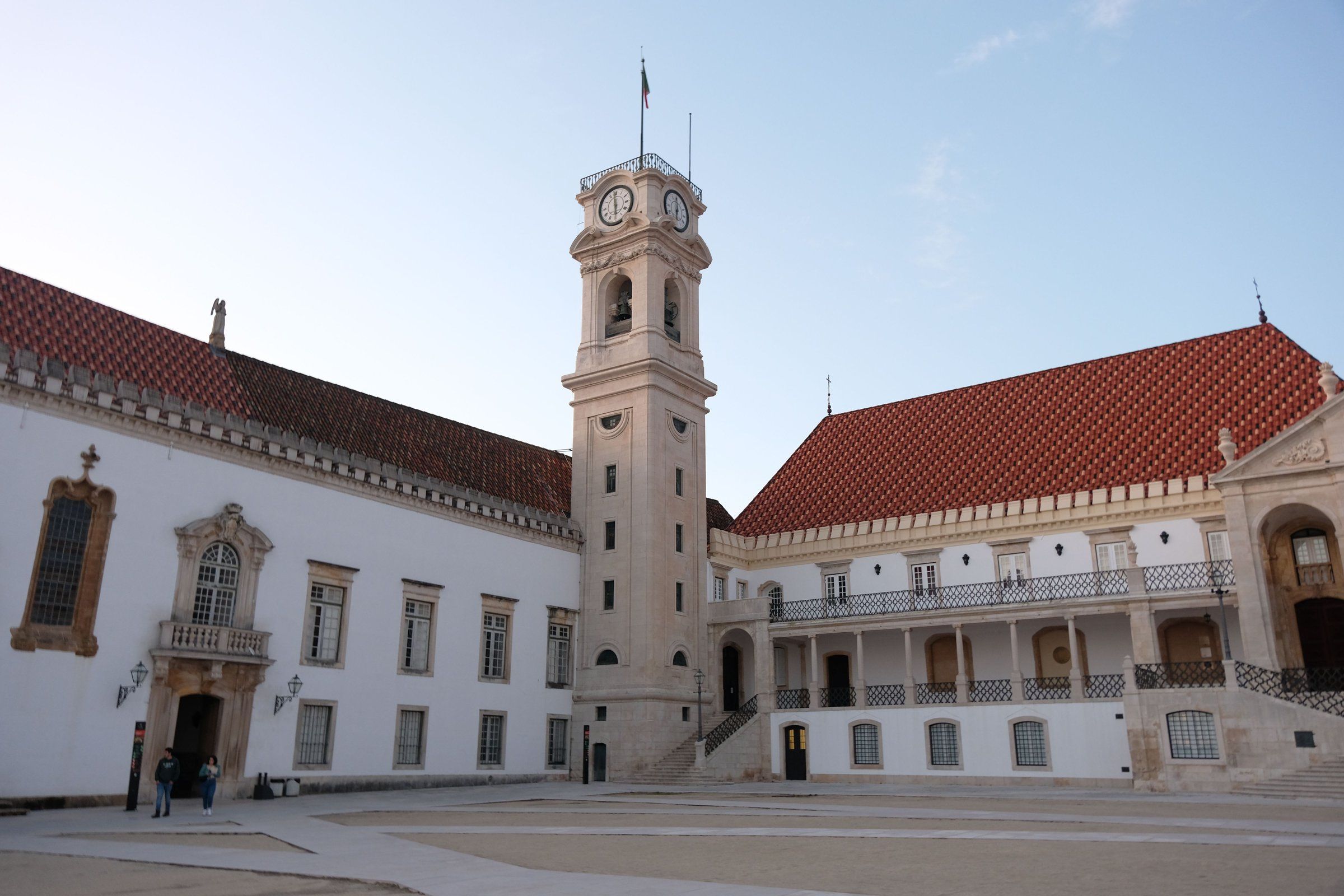
From Lisbon on the Tagus to Porto on the Douro, and the old university city of Coimbra between them.
- 1386Portugal and England signed the Treaty of Windsor, the oldest alliance in the world still in force.





Questions, answered.
The things people ask us first.
Which languages can you cover?
The main European languages, including German, Dutch, the Nordic languages, Spanish and Portuguese, and native or strong English. Tell us yours and we will tell you honestly what we can staff.
Are the people who speak our customers’ language native speakers?
Yes. Many have made Portugal home from elsewhere in Europe, so they bring the culture as well as the language. The team is trained on your customers’ expectations too.
Will they have the skills for the work, not just the language?
Yes. People are hired for the work as well as the language. They are trained on your products, processes and tone of voice, so a complaint or a technical problem is handled properly.
What if our volume in a language is small?
We have ways to make it work. One is people hired to work in more than one language. Another is a native speaker’s time shared across clients, with the sharing explained, not hidden.
What if the person covering our language is off sick or leaves?
Cover is planned with you from the start. Where the volume allows, more than one person is trained on your work. Where it is small, we agree in advance how waiting work is handled. Any replacement is recruited and trained by us.
Will the people stay?
People move on everywhere, so we plan for it. What they know lives in your knowledge base and training material. People are trained to cover for each other, and we recruit and train any replacement ourselves.
Is the English as good as a native speaker’s?
It is either native, or from Europeans whose English is every bit as good, tested by channel like every other language.
Why choose Portugal for English?
We hire native speakers where we can, or Europeans whose English is every bit as good. So it is much like having someone hired at home, at a lower cost. Many share more of your customers’ culture naturally, not just through training.
Do they work from home or from an office?
From home, which is normal in Portugal. They work on company laptops we manage and encrypt, with access only to what the work needs.
What about our customers’ data?
Portugal is inside the EU, so work done there raises no international transfer question for European customers. The safeguards your customers' law requires are in place before work starts, wherever they are.
Is Portugal only for large companies?
No. One language, one person or part of one, or a full team, and we can start with a pilot if you would like one.
How much does it cost?
It depends on the work, the languages, the channels, the hours and the size of the team. We will set it out plainly once we understand what you need.
Can we combine Portugal with another location?
Yes. Languages from Portugal, volume from the Philippines and specialist work from Ireland, from one provider, on one standard, in one report.
Need European languages?
Tell us which languages and how much work, and we'll tell you honestly what we can staff.